ETF Meaning Unlocked: The Complete Guide Every New Investor Needs Right Now
Most people hear “ETF” tossed around on finance podcasts and immediately feel lost. You are not alone if the term sounds like Wall Street jargon designed to keep outsiders confused.
The truth is simpler than you think. Understanding the ETF meaning can literally change how you build wealth over the next decade. This guide strips away the complexity and hands you everything you need in plain English.
What Is the ETF Meaning in Simple Terms?
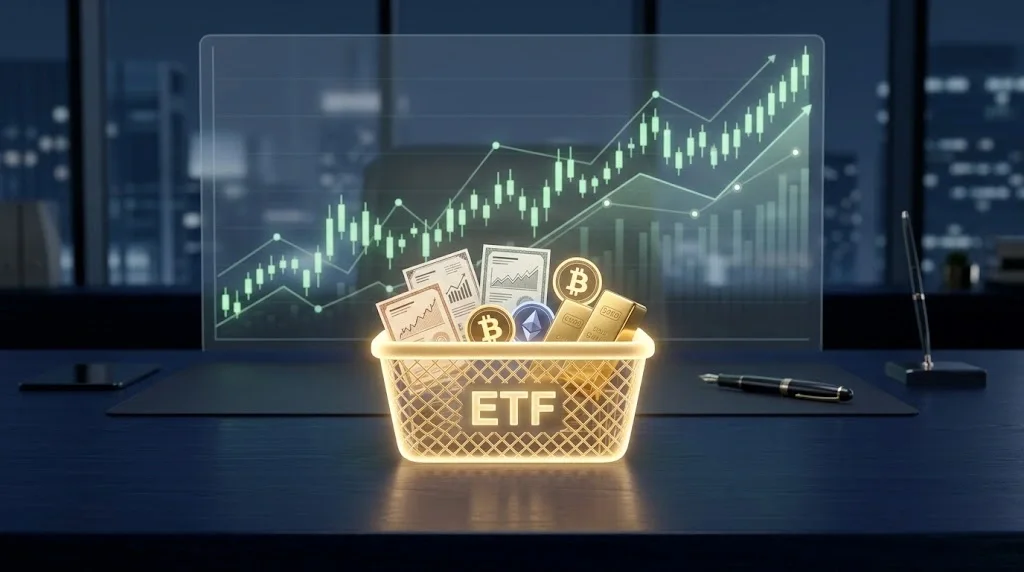
The ETF meaning boils down to one idea: a basket of investments you buy and sell like a single stock. ETF stands for Exchange-Traded Fund, and that name tells you exactly what it does.
Unlike mutual funds that price once daily, an ETF trades throughout the day on major stock exchanges. You can buy shares at 10 AM, sell at 2 PM, and watch the price move in real time.
Think of it like a fruit basket at the grocery store. Instead of picking individual apples, oranges, and bananas, you grab one pre-packed basket. The ETF meaning in finance works the same way with stocks, bonds, or commodities.
ETF Meaning in Stock Market: How It Actually Works
When you search for ETF meaning in stock market, you will find that these funds track specific indexes, sectors, or themes. The SPY ETF, for example, mirrors the S&P 500 index almost perfectly.
Here is the mechanics behind it. A fund provider like iShares or Vanguard creates a portfolio that replicates a benchmark. They then slice that portfolio into shares and list them on exchanges like the NYSE or NASDAQ.
The stock ETF meaning becomes powerful because you get instant diversification. One share of a broad market ETF can give you exposure to hundreds of companies simultaneously, reducing your risk significantly.
How ETF Meaning Connects to Expense Ratios and Costs
Every ETF charges a small annual fee called the expense ratio. Understanding the expense ratio ETF meaning matters because even a 0.50% difference can cost you thousands over twenty years of investing.
Most index-tracking ETFs charge between 0.03% and 0.20% annually. Actively managed or leveraged ETF meaning products tend to charge more, sometimes exceeding 0.90% per year.
Always compare expense ratios before buying. A lower fee means more of your money stays invested and compounds over time, making the ETF meaning investment strategy far more profitable long-term.
Popular ETF Types: Gold, Crypto, and Leveraged Explained
The ETF meaning expands dramatically when you look at specialized categories. Gold ETFs let you own gold exposure without storing physical bars in a safe. The gold ETF meaning and how it works is straightforward: the fund holds real gold bullion, and each share represents a fraction of that holding.
Crypto enthusiasts now have options too. The Bitcoin ETF meaning and XRP ETF meaning refer to funds that track cryptocurrency prices through regulated exchanges. A spot ETF meaning specifically means the fund holds the actual asset rather than futures contracts.
Leveraged ETF meaning is a different beast entirely. These funds use financial derivatives to amplify daily returns, often 2x or 3x. They carry serious risk and suit only experienced traders who understand daily rebalancing effects.
| ETF Type | Example | Expense Ratio | Risk Level | Best For |
| Broad Market (SPY ETF Meaning) | SPY, VOO | 0.03–0.09% | Low | Long-term investors |
| Gold ETF | GLD, IAU | 0.25–0.40% | Medium | Inflation hedging |
| Bitcoin Spot ETF | IBIT, FBTC | 0.20–0.30% | High | Crypto exposure |
| Leveraged ETF | TQQQ, SQQQ | 0.75–0.95% | Very High | Day traders only |
| UCITS ETF | iShares Core | 0.07–0.20% | Low | European investors |
This table shows why the ETF meaning in investing varies so much across categories. Your risk tolerance should always dictate which type you choose.
ETF Meaning for Beginners: Five Benefits You Cannot Ignore
Getting the ETF meaning in share market right opens doors that individual stock picking simply cannot match for most people.
- Instant diversification across dozens or hundreds of assets in one trade.
- Tax efficiency because ETFs trigger fewer capital gains distributions.
- Transparency since holdings are published daily by most providers.
- Flexibility to trade anytime during market hours, unlike traditional funds.
The ETF meaning and how it works ultimately gives everyday investors the same tools that hedge funds have used for decades.
Final Thoughts on ETF Meaning
Understanding the ETF meaning is no longer optional if you want to grow your money intelligently in today’s markets. Whether you lean toward a simple SPY ETF meaning strategy or explore crypto ETF meaning options, the key is matching the fund to your personal goals and timeline.
Start small, keep fees low, and resist the urge to chase hype. The best investors treat ETFs as long-term building blocks, not get-rich-quick lottery tickets. Your future portfolio will thank you for starting today.