HVAC Meaning Explained: What It Really Stands For and Why It Matters
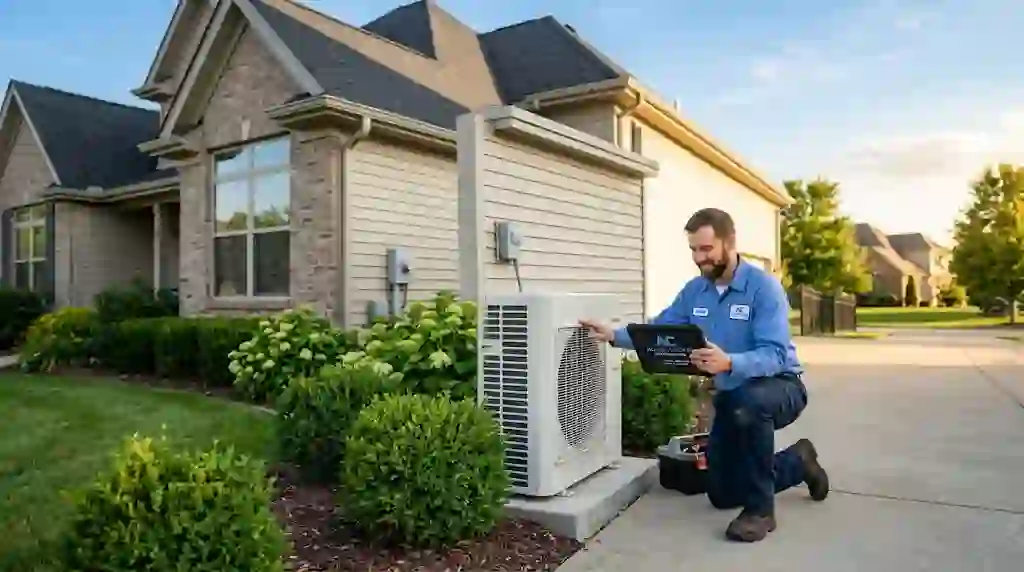
You see the letters “HVAC” plastered on every contractor’s truck, every thermostat box, and every home warranty document you’ve ever skimmed. But if someone stopped you right now and asked what those four letters actually mean, could you give a confident answer?
Most people can’t, and that’s completely fine. Understanding the true hvac meaning goes way beyond memorizing a boring acronym. It directly impacts how much you pay for indoor comfort every single month.
This guide strips away the technical jargon and gives you the real-world breakdown you actually need. By the end, you’ll know exactly what’s humming behind your walls and how to stop throwing money at problems that don’t exist.
What Does HVAC Meaning Actually Stand For?
The hvac meaning is surprisingly straightforward once you break it apart. HVAC stands for Heating, Ventilation, and Air Conditioning. These three interconnected systems work together inside your home or office to regulate temperature, manage humidity levels, and keep indoor air safe to breathe.
Most homeowners treat their HVAC unit like a mysterious black box on the side of the house. They flip the thermostat, expect instant comfort, and never think about the mechanical ballet happening behind the drywall. That blind trust costs the average American household over $1,000 per year in wasted energy.
When you finally grasp the full hvac meaning, you stop guessing and start making smarter decisions about repairs, seasonal upgrades, and routine maintenance schedules. That knowledge literally pays for itself within the first year.
Breaking Down the HVAC Meaning Letter by Letter
Let’s dissect each component so the hvac meaning sticks permanently in your mind. No engineering degree required.
Heating (The “H”)
The heating element covers furnaces, boilers, and heat pumps. During winter, this system burns natural gas, propane, or electricity to push warm air through your ductwork. A failing heater doesn’t just leave you shivering — it can silently leak carbon monoxide into your living space, which is why annual inspections are non-negotiable.
Ventilation (The “V”)
Ventilation is the most criminally overlooked part of the entire hvac meaning. It refers to the continuous exchange of stale indoor air with fresh outdoor air. Without proper ventilation, your home traps cooking odors, pet dander, and excess moisture that breeds toxic mold within weeks.
Air Conditioning (The “AC”)
Air conditioning removes heat and humidity from indoor spaces using refrigerant compression cycles. Most people assume AC only cools air, but modern units also dehumidify and filter microscopic particles. This single component often gobbles up 50% of your total summer electricity bill.
Why Understanding HVAC Meaning Saves You Serious Money
Here’s where the rubber meets the road. Knowing the hvac meaning helps you instantly spot when a shady contractor is overselling you on unnecessary work. If a technician claims you need a full system replacement but only your ventilation ducts are leaking, you’ll catch the upsell before signing anything.
Homeowners who understand their HVAC setup negotiate repair quotes roughly 30% lower on average. They know which specific component failed and can request targeted fixes instead of expensive blanket replacements that pad the contractor’s profit margin.
Regular maintenance also becomes dramatically cheaper. You’ll clean the correct filters, schedule professional inspections at the ideal time, and extend your system’s total lifespan by five to eight years. That translates to thousands of dollars back in your pocket over a single decade.
HVAC System Types Compared at a Glance
Not every home uses the same setup. Here’s a quick comparison of the most common systems tied to the hvac meaning you’ll encounter in the real world.
| System Type | Best For | Avg. Lifespan | Energy Efficiency |
| Split System | Standard homes | 15–20 years | High |
| Ductless Mini-Split | Apartments & additions | 12–15 years | Very High |
| Packaged Unit | Small commercial spaces | 10–15 years | Moderate |
| Heat Pump | Mild climates | 12–16 years | Very High |
| Hybrid Dual-Fuel | Cold regions | 15–20 years | Highest |
The data paints a clear picture. Hybrid dual-fuel systems deliver the best long-term efficiency but demand a higher upfront investment. Ductless mini-splits shine for smaller spaces where traditional ductwork makes zero sense. Always pick the system matching your local climate and square footage, not the one your neighbor bragged about at the barbecue.
5 Red Flags Your HVAC System Needs Attention Now
Even when the hvac meaning is crystal clear to you, spotting mechanical problems early requires sharp eyes and quick action.
- Uneven room temperatures — one room freezing while another feels like a sauna signals duct leaks or a dying compressor.
- Sudden spike in energy bills — a 20% jump with no utility rate change means your system is working overtime to compensate.
- Strange banging or hissing noises — healthy mechanical parts simply don’t make those sounds during normal operation.
- Excess dust settling on furniture — clogged filters push particles straight into your breathing space.
Ignoring these signs turns a simple $200 repair into a devastating $4,000 full replacement within months.
Final Thoughts
The hvac meaning isn’t just textbook trivia you’ll forget by tomorrow morning. It’s a practical, money-saving framework that protects your wallet, your family’s health, and your home’s long-term resale value. Next time a contractor walks through your front door, you won’t be the confused homeowner nodding along to technical jargon. You’ll ask the right questions, demand transparent pricing, and keep your system running smoothly for decades to come. Start with a simple filter change this weekend and schedule your first professional inspection — your future self will genuinely thank you.