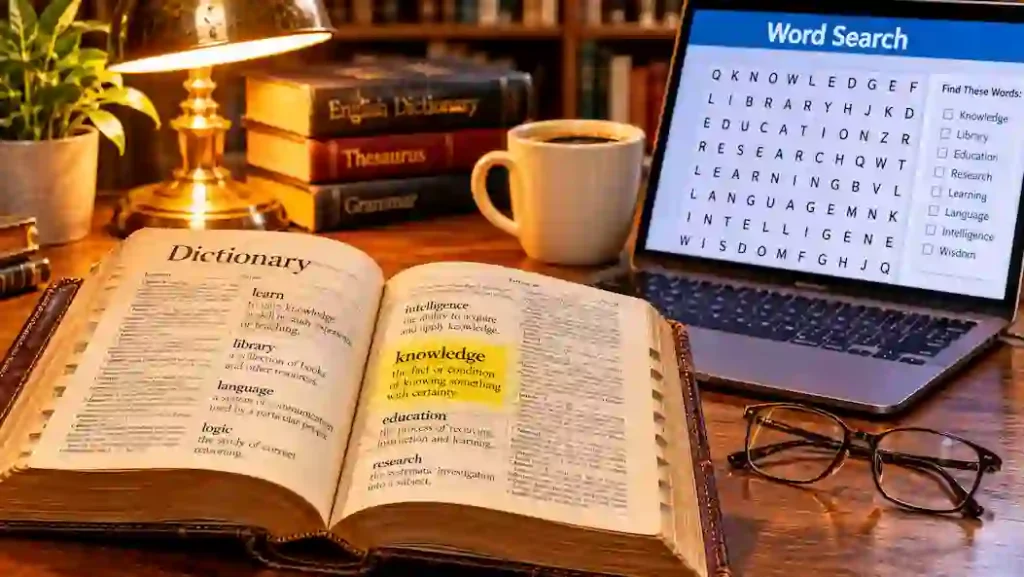
You have probably looked up a word online a hundred times. You scroll past the first result, grab the meaning, and move on with your day.
But have you ever stopped to wonder what a dictionary definition actually is beneath the surface? Most readers never dig deeper into the process at all.
That is exactly why they misunderstand half the words they use daily in emails, essays, and conversations. Whether you are a student, blogger, or professional, understanding this process gives you a massive edge.
This guide pulls back the curtain on how every dictionary definition gets built, verified, and published by real language experts.
The Real Meaning Behind a Dictionary Definition
A dictionary definition is not just a random sentence slapped next to a bold word on a page. It is a carefully engineered explanation that captures the precise meaning of a term as used by real speakers in real contexts.
Every dictionary definition goes through multiple rounds of research before it ever reaches your screen or the printed page you flip through. Lexicographers study thousands of real-world examples to pin down how a word actually behaves.
When you read a dictionary definition, you are looking at the distilled result of months, sometimes years, of linguistic detective work. That single line of text carries far more weight and authority than most casual readers ever realize.
How Experts Build a Dictionary Definition From Scratch
The Role of Lexicographers
Lexicographers are the unsung heroes behind every dictionary definition you trust and rely on. These language specialists spend their entire workdays reading newspapers, novels, tweets, legal documents, and academic papers to track how words shift.
They collect evidence from massive text databases called corpora to support every claim. Each dictionary definition they write must reflect genuine, documented usage rather than personal opinion or outdated grammar rules from decades ago.
Corpus Linguistics and Data Collection
Modern dictionary definition writing relies heavily on a field called corpus linguistics. A corpus is a giant digital library containing billions of words pulled from real published and spoken sources across the globe.
When a lexicographer drafts a new dictionary definition, they search the corpus for hundreds of contextual examples. This data-driven approach ensures that every entry mirrors how people actually speak and write in the current era.
Types of Dictionary Definition Formats You Should Know
Not every dictionary definition follows the exact same template or structure. Different dictionaries use different styles depending on their target audience, purpose, and editorial philosophy.
- Formal definitions use a genus-and-differentia structure, placing the word in a broad category first and then narrowing the meaning down with specific distinguishing traits.
- Informal definitions lean heavily on synonyms and everyday conversational language to make the meaning instantly clear to casual readers.
- Encyclopedic definitions go beyond basic meaning and include historical, cultural, or scientific context alongside the core explanation for deeper understanding.
- Learner definitions simplify vocabulary and sentence structure so non-native speakers can grasp the meaning without reaching for a second reference book.
Each format serves a unique reader need while keeping the core goal of clarity intact across every published entry.
Dictionary Definition vs. Real-World Usage
Here is where things get genuinely interesting for language lovers. A dictionary definition often lags behind how people actually use a word in daily life and online spaces.
Slang evolves faster than any editorial team can realistically update their printed or digital entries. By the time a new entry appears, the word might already mean something slightly different on social media.
| Feature | Dictionary Definition | Real-World Usage |
| Update Speed | Slow, reviewed annually | Instant, shifts daily |
| Tone | Neutral and formal | Casual and contextual |
| Source | Verified corpora data | Social media, speech |
| Accuracy | High for standard meaning | Varies by community |
| Audience | General public | Specific niche groups |
The gap between a published dictionary definition and street-level usage is growing wider every single year. Smart writers now cross-reference multiple sources instead of relying on one entry alone for critical projects.
Why Your Writing Depends on a Solid Dictionary Definition
If you write blog posts, professional emails, or academic papers, the accuracy of your word choices matters enormously. A misunderstood dictionary definition can completely flip the intended meaning of your most important sentences.
Writers who skip checking the dictionary definition of tricky words often end up embarrassing themselves in very public ways. I have personally seen professionals use “enormity” to mean “enormousness” because they never read the actual entry.
Always verify the dictionary definition before using an unfamiliar word in important documents or client-facing content. That one extra minute of research can save you from a painful and very avoidable mistake.
Frequently Asked Questions About Dictionary Definition
What exactly is a dictionary definition?
A dictionary definition is the official explanation of a word’s meaning as recorded by trained lexicographers. It reflects verified usage from real-world sources rather than personal interpretation. Every entry you find in trusted references like Merriam-Webster or Oxford has gone through rigorous editorial review before publication.
How often does a dictionary definition get updated?
Most major publishers revise their entries at least once a year. However, an entry for fast-moving slang might take much longer to appear because editors need sufficient evidence before committing to a brand-new sense.
Can a dictionary definition ever be wrong?
Technically, an entry can become outdated over time. Language changes constantly, and a meaning printed five years ago might not capture a word’s newest cultural sense. Always check the most recent digital edition for the freshest information available.
Who writes each dictionary definition entry?
Professional lexicographers write every single entry you read. These trained linguists analyze massive text databases and draft explanations that reflect authentic usage patterns across different regions, demographics, and online communities.
Is a dictionary definition the same across all dictionaries?
No, it is not. Different publishers follow different editorial standards, so an entry in Oxford might read slightly differently from one in Collins or Cambridge. The core meaning stays consistent, but the exact wording, examples, and labels vary between brands.
Final Thoughts on Mastering the Dictionary Definition
Stop treating the dictionary definition as a quick glance-and-go tool you use once and forget. Start reading the full entry, including example sentences, etymology notes, and usage warnings that most people scroll right past.
That small daily habit will sharpen your vocabulary faster than any expensive flashcard app ever could. Your future self will thank you when your editor stops flagging the same mistakes over and over again.
The next time you search for a dictionary definition, give it the full attention it actually deserves and watch your writing improve almost immediately.