You’ve probably spotted the word “halal” plastered across restaurant signs, grocery shelves, and even skincare bottles. But here is the uncomfortable truth — most people have no real idea what it actually means beyond a vague notion of “allowed.”
The halal meaning runs far deeper than a simple dietary stamp. It shapes financial systems, fashion choices, and daily personal conduct for nearly two billion people across the globe.
This guide strips away the confusion and gives you the full picture. By the end, you will understand the halal meaning better than ninety percent of people who casually throw the word around.
What Does the Halal Meaning Actually Translate To?
The halal meaning originates from the Arabic root “halla,” which directly translates to “lawful” or “permissible.” This single word carries enormous weight in Islamic theology and daily practice.
When scholars unpack the concept, they pull from the Quran and the Hadith — the recorded sayings and actions of Prophet Muhammad. These two sources create a detailed framework that separates what is permitted from what is strictly forbidden, known as “haram.”
Think of the halal meaning as a complete lifestyle operating system rather than a narrow food rule. Every decision a Muslim makes, from signing a business contract to choosing a shampoo, connects back to this foundational concept.
Halal Meaning in Food — Where Most People Get It Wrong
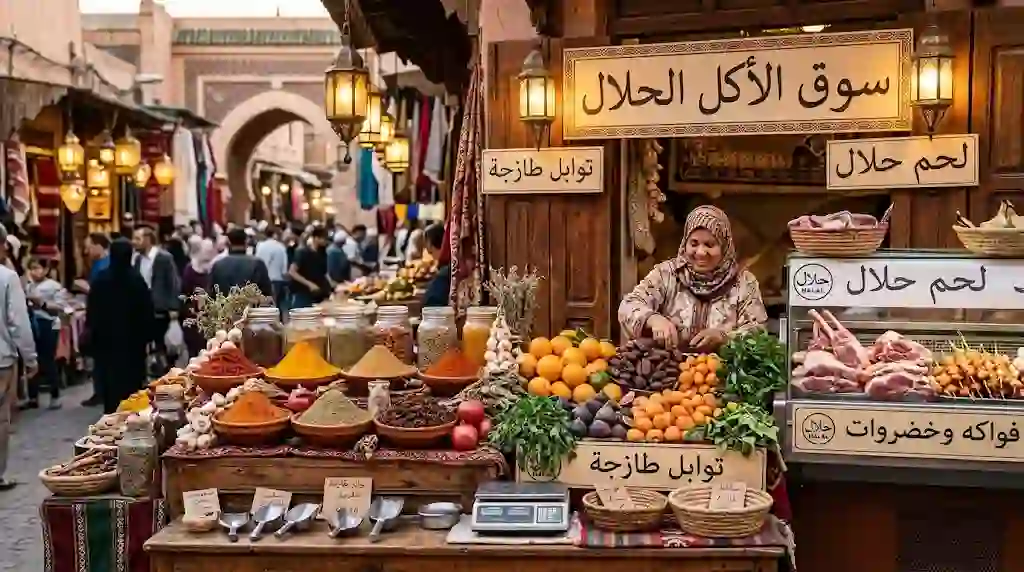
The strongest link between the halal meaning and everyday life sits right on your dinner plate. Meat must come from an animal slaughtered through a specific ritual process, with a prayer spoken and the blood fully drained from the carcass.
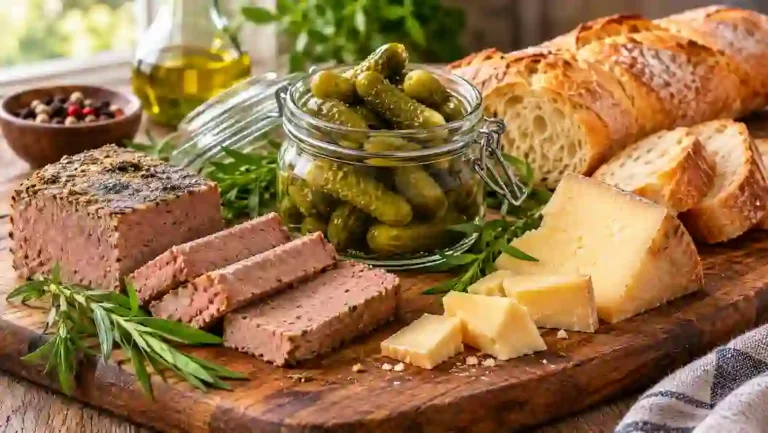
But the rules stretch well beyond the slaughterhouse. Any product containing alcohol, pork derivatives, or cross-contamination with haram substances fails the test. That gummy candy in your desk drawer might contain pork-based gelatin, instantly making it non-permissible.
A widespread myth suggests all vegetarian food automatically qualifies. That assumption breaks down fast when you discover that vanilla extract often contains alcohol and certain red food dyes come from crushed insects. True halal standards demand scrutiny of every single ingredient.
The Dhabihah Slaughter Method Made Simple
The ritual slaughter method is called “dhabihah.” A razor-sharp knife cuts the throat swiftly, severing the jugular veins and carotid arteries while keeping the spinal cord fully intact. The name of Allah is spoken at the exact moment of the cut.
This approach prioritizes minimal animal suffering and thorough blood drainage, which also improves meat hygiene. It reflects the broader halal meaning of mindfulness, respect, and ethical responsibility in every action you take.
The Halal Meaning Beyond Food — Finance, Fashion, and Daily Life
Most articles stop at food, and that is a massive oversight. The halal meaning governs Islamic finance with equal force. Earning or paying interest, known as “riba,” is strictly prohibited, which is why halal banks operate on profit-sharing and asset-backed models instead.
Fashion also falls under this umbrella. Clothing must meet modesty standards and avoid haram materials. Traditional rulings, for example, restrict Muslim men from wearing pure silk or gold jewelry, while women face no such limitation.
Your bathroom cabinet is not exempt either. Cosmetics and skincare products containing alcohol-based solvents or animal-derived ingredients from non-permissible sources may violate the full halal meaning that observant Muslims carefully follow each day.
Halal vs Haram — A Side-by-Side Comparison Table
Grasping the halal meaning becomes instantly clearer when you see it stacked against its opposite. The table below breaks down the most common categories so you can spot the differences at a glance.
| Category | Halal (Permissible) | Haram (Forbidden) |
| Meat | Beef, lamb, chicken (dhabihah) | Pork, carnivorous animals |
| Drinks | Water, juice, milk, tea | Alcohol, intoxicants |
| Finance | Profit-sharing, trade, leasing | Interest-based loans (riba) |
| Clothing | Cotton, linen, modest garments | Silk and gold for men |
| Ingredients | Plant-based, halal-certified gelatin | Pork gelatin, alcohol extracts |
This comparison reveals why the halal meaning cannot be reduced to a single checkbox. Each life category carries its own nuanced rulings that demand real knowledge and genuine attention.
The Global Halal Market — Numbers That Demand Attention
The worldwide halal economy has surged past $3.2 trillion, spanning food, pharmaceuticals, cosmetics, tourism, and fintech. Understanding the halal meaning is no longer a niche religious topic — it is a dominant force reshaping global supply chains.
Nations like Malaysia, Saudi Arabia, and Indonesia lead in certification infrastructure and regulatory standards. Surprisingly, non-Muslim-majority countries including Brazil, Australia, and India rank among the top halal meat exporters, chasing massive demand from the Middle East and Southeast Asia.
Final Word — Why the Halal Meaning Deserves Your Attention
The halal meaning is not a marketing gimmick or a trendy label slapped on packaging to boost sales. It represents a deeply rooted ethical system built on compassion, discipline, and conscious living that guides nearly a quarter of humanity every single day.
Whether you follow these principles yourself or simply want to better understand the Muslim colleagues, friends, and neighbors around you, knowing the genuine halal meaning opens a door most people never bother to walk through. Pay closer attention to the labels, ask real questions, and you will be genuinely surprised by what you uncover.