You’ve probably heard the word “forbearance” thrown around in mortgage news, legal disputes, or student loan headlines. But here’s the uncomfortable truth most dictionaries won’t tell you: the forbearance meaning shifts dramatically depending on context.
Using this term incorrectly in a legal document or a bank negotiation could cost you thousands of dollars. That’s not an exaggeration at all.
This guide gives you the exact forbearance meaning across law, finance, and everyday English. By the end, you’ll understand this word better than most lawyers.
What Is the Forbearance Meaning in Plain English?
At its core, the forbearance meaning revolves around one powerful idea: holding back. When someone exercises forbearance, they deliberately choose not to act on a right, claim, or impulse they legally or morally possess.
Think of it like this. Your neighbor owes you five hundred dollars. You could demand payment today. But you wait three months because they lost their job. That patience is forbearance in action.
The word traces back to Old English and Latin roots meaning “to bear” or “to endure.” So the forbearance meaning literally translates to enduring something difficult without retaliating or enforcing your rights immediately.
People often confuse forbearance with forgiveness. They’re not the same. Forgiveness wipes the slate clean. Forbearance simply pauses enforcement. The debt still exists and can be collected later.
Forbearance Meaning in Law and Legal Contracts
The legal forbearance meaning carries serious weight in courtrooms. Forbearance occurs when one party agrees not to exercise a legal right in exchange for something of value from the other party.
This concept shows up in settlement agreements constantly. A creditor might forbear from filing a lawsuit if the debtor commits to a new payment schedule. That agreement becomes legally binding.
Courts treat forbearance as valid consideration in contract law. This means a promise to hold back from suing someone can serve as the “price” that makes a new contract fully enforceable.
How Courts Interpret Forbearance Agreements
Judges look at two key factors when evaluating forbearance in legal disputes. First, did the party actually have a legitimate right to act? Second, was there a clear and documented agreement to delay that action?
If both conditions are met, the forbearance meaning in that specific case becomes a binding legal shield. Breaking a forbearance agreement can trigger immediate legal consequences, including accelerated debt collection and court penalties.
Forbearance Meaning in Mortgage and Finance
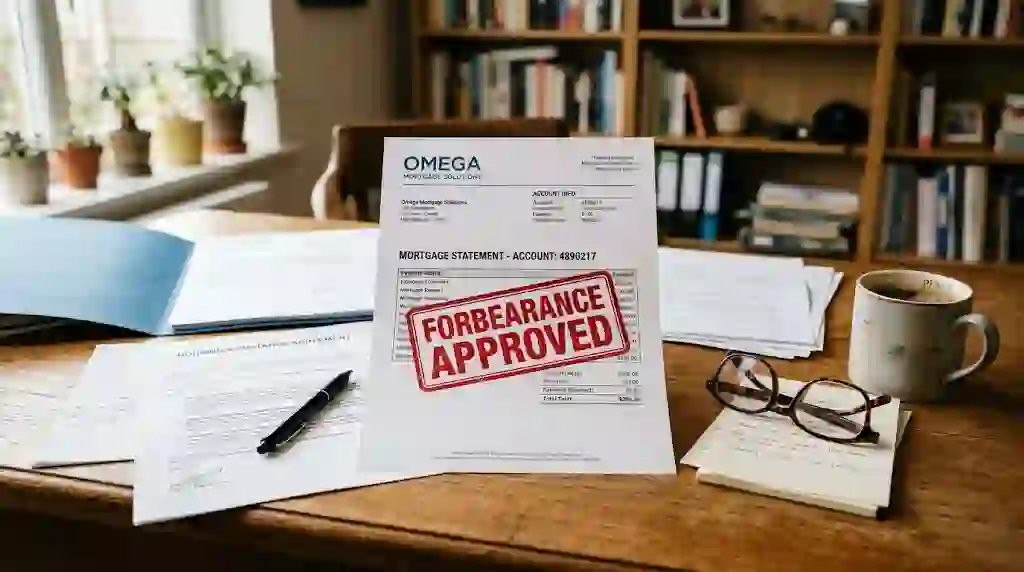
This is where the forbearance meaning hits closest to home for millions of everyday people. In mortgage lending, forbearance means your lender temporarily reduces or pauses your monthly payments due to a documented financial hardship.
During the 2020 pandemic, over seven million homeowners entered mortgage forbearance programs. The forbearance meaning in this context saved countless families from losing their homes overnight.
But here’s what most borrowers completely miss. Forbearance is not loan forgiveness. The missed payments don’t just disappear into thin air. They get added to the end of your loan term or restructured into a separate repayment plan.
Mortgage Forbearance vs. Loan Modification
Many homeowners confuse these two options, and the difference matters enormously for your financial future. Forbearance pauses payments temporarily, usually for three to twelve months. Loan modification permanently changes your interest rate or extends your loan term.
Understanding the forbearance meaning versus modification helps you choose the right path when financial trouble hits hard. Pick the wrong one, and you could end up owing significantly more than you originally expected.
Forbearance Meaning Across Different Fields — Quick Comparison
The forbearance meaning changes flavor depending on the industry you’re dealing with. The table below breaks down how different sectors define and apply this concept in real-world scenarios.
| Field | Forbearance Meaning | Typical Duration | Key Consequence |
| Mortgage Lending | Paused or reduced monthly payments | 3–18 months | Missed amounts added to loan balance |
| Student Loans | Temporary payment suspension | Up to 12 months | Interest continues to accrue daily |
| Contract Law | Holding back a legal right | Varies by agreement | Creates binding legal consideration |
| Everyday English | Patience and deliberate self-restraint | No fixed period | Builds trust and stronger relationships |
| Tax Collection | IRS delays enforced collection actions | 6–24 months | Penalties and interest may still accumulate |
The data shows the forbearance meaning always involves a temporary pause, but consequences vary wildly. Always read the fine print before agreeing to any forbearance arrangement.
Real-Life Examples That Clarify the Forbearance Meaning
Imagine a small business owner who falls behind on a commercial lease. The landlord could evict immediately but chooses forbearance instead, giving the tenant ninety days to catch up on rent. The lease remains active, and the owed rent doesn’t vanish.
Or consider a credit card company offering hardship forbearance to a customer who just lost their job. They freeze interest charges for six months. The balance stays intact, but the breathing room prevents a bankruptcy filing.
These examples prove the forbearance meaning always centers on temporary relief, not permanent solutions. The clock is always ticking.
Final Thoughts on the Forbearance Meaning
The forbearance meaning boils down to a deliberate pause, not a permanent fix. Whether you’re navigating a mortgage crisis, reading a legal contract, or trying to understand financial news, this word gives you a real advantage.
My biggest insider tip? Never sign a forbearance agreement without asking exactly what happens when the pause ends. That single question separates people who recover financially from those who get blindsided by massive surprise bills months later.