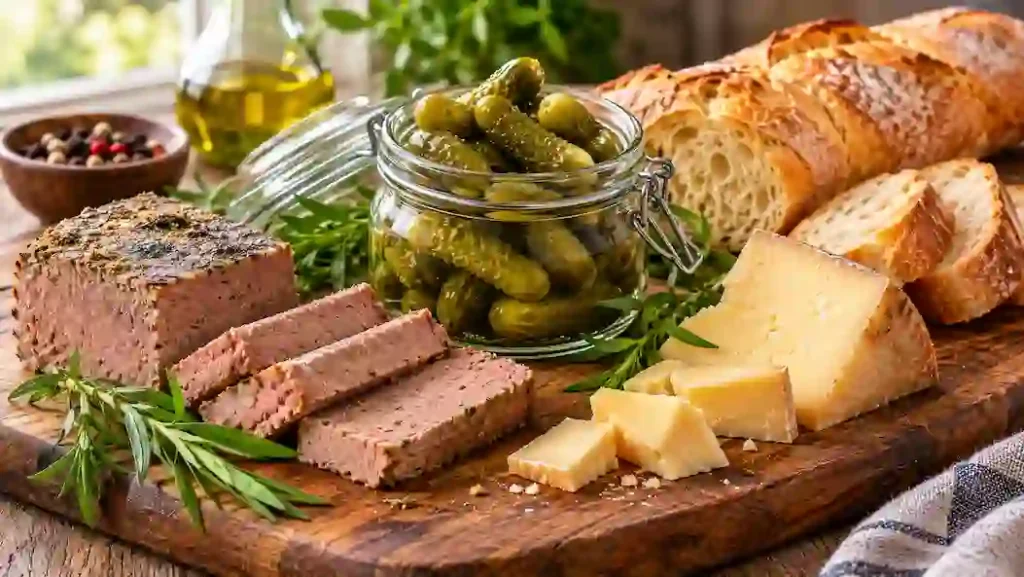
You’ve seen them sitting in a small glass jar next to pâté at a fancy restaurant. Those impossibly tiny, bumpy pickles have a name most people stumble over.
The cornichon meaning trips up food lovers everywhere, even those who eat them regularly. Let’s clear up the confusion once and for all.
By the end of this read, you’ll know exactly what a cornichon is, where it comes from, and why it tastes nothing like the pickles sitting in your fridge right now.
What Is the Cornichon Meaning in Simple English?
French speakers use the word “cornichon” to describe both the raw vegetable and the finished pickled product. The literal cornichon meaning in French translates to “little horn,” which references the bumpy, slightly curved shape of the tiny cucumber.
Think of them as the sophisticated cousin of the standard dill pickle. These pickles measure roughly one to two inches long at most.
Their skin stays rough and warty, which immediately sets them apart from the smooth-skinned American pickle varieties you grab at grocery stores.
The brine used for authentic cornichons leans heavily on white wine vinegar, fresh tarragon, and pearl onions. This combination gives them a sharp, acidic punch that cuts through rich, fatty foods beautifully.
The Surprising French Origin Behind the Cornichon Meaning
Understanding the cornichon meaning fully requires a quick trip through French culinary history. Farmers in the Burgundy and Loire Valley regions started pickling undersized gherkins several centuries ago.
They discovered that harvesting cucumbers early and preserving them in seasoned vinegar created a crunchy, intensely flavored condiment. The practice spread across France and eventually into fine dining kitchens around the world.
Today, the cornichon meaning in food culture represents a certain level of sophistication. You’ll spot them on charcuterie boards, alongside melted raclette cheese, and tucked into classic French sandwiches like the famous jambon-beurre.
Most authentic cornichons still follow traditional French preparation methods passed down through generations. The cucumbers get soaked in coarse salt overnight before being submerged in hot vinegar with fresh aromatics.
Cornichon vs Regular Pickle — A Clear Side-by-Side Breakdown
This is where the cornichon meaning gets genuinely interesting for most home cooks.They are not even close.
The differences run deep, from the cucumber variety to the brining process and the final flavor profile. Here is a clear comparison table to settle the debate once and for all.
| Feature | Cornichon | Regular Dill Pickle |
| Size | 1–2 inches | 4–6 inches |
| Cucumber Type | Immature gherkin | Mature Kirby or garden cucumber |
| Flavor | Sharp, tart, acidic | Salty, garlicky, herbal |
| Vinegar Base | White wine vinegar | Distilled white vinegar |
| Texture | Extra crunchy, firm | Crunchy but softer |
| Common Pairing | Pâté, charcuterie, raclette | Burgers, sandwiches, hot dogs |
| Origin | France | Eastern Europe / America |
As the table clearly shows, the cornichon meaning in culinary terms points to a completely different product. The smaller size and wine vinegar brine create a bright flavor that regular pickles simply cannot replicate.
How Professional Chefs Use Cornichons in Real Dishes
Once you grasp the cornichon meaning, you’ll start noticing these tiny pickles on restaurant menus everywhere. French bistros serve them as a mandatory side with terrines, rillettes, and cured meat platters.
The natural acidity in cornichons balances the heaviness of cured meats and creamy pâtés perfectly. That sharp contrast is the entire reason they became an irreplaceable staple in French gastronomy.
Modern chefs also chop cornichons into tartar sauce, mix them into deviled egg fillings, and layer them on gourmet burgers. They also work brilliantly diced into potato salad or scattered across a smoked salmon bagel.
If you want to experiment at home, try placing a few cornichons on your next cheese board. Pair them with aged comté or a creamy brie for an instant and impressive flavor upgrade.
A Quick Homemade Cornichon Method You Can Try
You can recreate the cornichon meaning in your own kitchen with surprisingly minimal effort. Start by sourcing small gherkin cucumbers from a local farmers market during the peak summer months.
Rub them generously with coarse salt and let them sit overnight in the refrigerator. The next day, rinse them thoroughly and pack them tightly into sterilized glass jars.
Heat white wine vinegar with tarragon sprigs, black peppercorns, mustard seeds, and pearl onions.
Frequently Asked Questions About Cornichon Meaning
What does the cornichon meaning translate to in French?
The cornichon meaning in French literally translates to “little horn.” This descriptive name comes from the small, bumpy, slightly curved shape of the immature gherkin cucumber used to make the pickle.
Why does the cornichon meaning matter in everyday cooking?
Knowing the cornichon meaning helps you pick the right pickle for the right dish. Using a large dill pickle where a recipe calls for cornichons will completely throw off the acid balance and texture of your final plate.
Where can I buy authentic cornichons near me?
Most well-stocked grocery stores carry cornichons in the international or condiment aisle. Trusted brands like Maille and Roland offer authentic French cornichons that stay true to the traditional cornichon meaning and classic preparation style.
Final Thoughts on the Cornichon Meaning
The next time someone asks you about the cornichon meaning, you now have a real answer beyond “it’s just a small pickle.” These tiny French powerhouses carry centuries of culinary tradition in every single crunchy bite.
Grab a jar this weekend, throw them on your next charcuterie spread, and taste the difference yourself. Your palate will thank you immediately.